
Preserving the delicate balance of global ecosystems
Human activity significantly alters the natural rhythms of the biosphere, disrupting ancient cycles that sustain life on Earth. Understanding these complex interactions represents the first crucial step toward implementing effective, long-term conservation strategies for our planet and its vital resources.
Understanding atmospheric dynamics and climate resilience
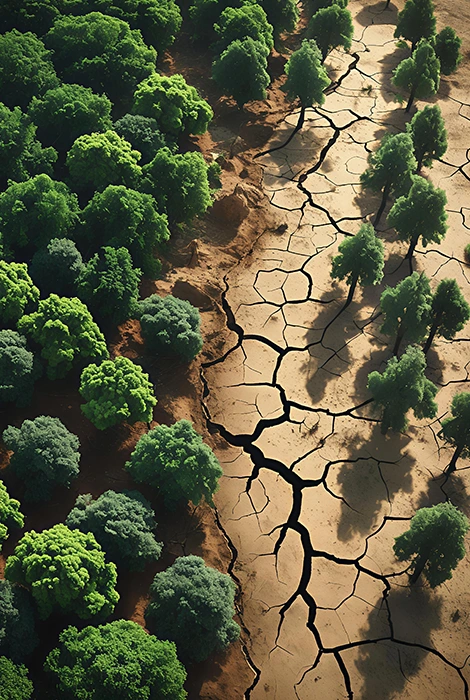

Greenhouse gas emissions
Carbon dioxide accumulation accelerates atmospheric warming trends worldwide, trapping increasing heat near the Earth’s surface.

Oceanic temperature rise
Warmer ocean waters fuel intense tropical cyclones and bleach coral reefs, destroying vital marine habitats.

Glacial melt rates
Receding ice sheets contribute directly to rising sea levels, threatening coastal communities and geographies globally.
Wildlife preservation
Protecting biodiversity in fragmented habitats
Ecosystems rely on extensive interaction webs between predators, prey, and decomposers to maintain functional stability. Habitat fragmentation disrupts these critical migration corridors, isolating populations and reducing genetic diversity, which ultimately weakens the species’ ability to adapt to environmental changes, leading to a precarious future for numerous endemic animals.
The vital role of global vegetation cover
Forests and plant life function as the planet’s primary lungs, sequestering carbon while stabilizing soil structures against erosion through intricate root networks and dense canopies.

Tropical rainforest canopy
Dense foliage layers regulate humidity levels and shelter diverse species populations.

Boreal forest taiga
Coniferous trees store massive carbon reserves in frigid northern climates.

Coastal mangrove wystems
Submerged mangrove roots filter water and buffer against powerful storm surges.
Transitioning toward renewable energy sources
Shifting away from fossil fuels requires integrating diverse technologies like solar arrays and wind farms into electrical grids. These systems harness inexhaustible natural forces to generate electricity without emitting pollutants, offering cleaner alternatives that reduce the heavy carbon footprint associated with traditional coal or gas power plants. This transition remains essential for reducing global carbon emissions efficiently.
Geothermal plants tap into Earth’s subterranean heat, providing consistent energy baseload that effectively complements intermittent sources like solar power or wind turbines.
Managing natural resources for the future
Sustainable resource management involves extracting raw materials at rates that allow natural regeneration to occur successfully. Responsible forestry practices and water conservation techniques ensure that essential commodities remain available for future generations, preventing the depletion of finite reserves and maintaining ecological integrity within the environments where extraction takes place.
Circular economy models prioritize material reuse, drastically lowering demand for virgin resource extraction and significantly reducing industrial waste outputs.
Mitigating pollution through advanced recycling
Industrial waste and plastic debris infiltrate soil and waterways, introducing toxins that accumulate throughout the food chain. Addressing this requires robust waste management systems that exceed simple disposal, employing chemical and mechanical recycling to convert refuse into valuable raw materials, effectively closing the loop on production cycles.

Plastic waste reduction
Compostable bio-polymers offer alternatives to conventional single-use synthetic plastics.

Water filtration systems
Advanced membranes remove microplastics and chemical run-off effectively from wastewater.

Electronic waste recovery
Extracting rare metals from discarded tech devices prevents serious soil contamination.
Ecological restoration
Strategies for environmental rehabilitation
Restoring damaged landscapes requires active intervention, such as reforesting barren lands and removing invasive species that choke native flora populations. These efforts rebuild soil microbiome and invite native fauna to return, gradually re-establishing complex biological networks that defined the area before industrial degradation occurred.
Implementing sustainable community practices
Local actions drive global change when communities adopt greener infrastructures and reduce consumption patterns, creating collective impact that significantly lowers the overall ecological footprint.


Environmental education
Teaching younger generations about ecological stewardship ensures long-term commitment to planet preservation. Schools integrating sustainability into curricula foster responsibility culture.

Policy and regulation
Governments enforce limits on industrial emissions to meet international climate goals. Strict regulations drive corporate innovation toward greener manufacturing processes.
Future outlook for conservation
Emerging technologies in carbon capture and biotechnology offer promising tools for reversing some ecological damage. However, technology must pair with behavioral changes to succeed effectively.
Collaboration across borders ensures environmental policies remain effective regardless of shifting political boundaries or economic conditions.